
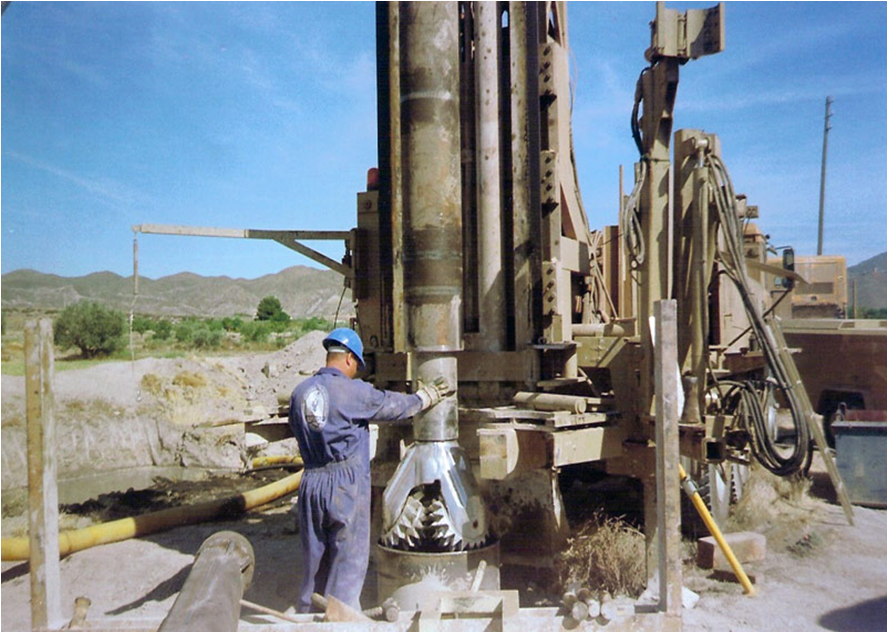
Drilling methods include DTH percussion drilling, ODEX simultaneous casing, rotary direct circulation, reverse circulation, and cable-tool percussion. Each technique has specific principles, advantages, and limitations depending on geology. Rotary drilling reaches great depths, DTH excels in hard rock, and reverse circulation improves geological accuracy. Method selection depends on formation type, stability, water quality, and project objectives.
- Enseignant: Boualem BOUSELSAL
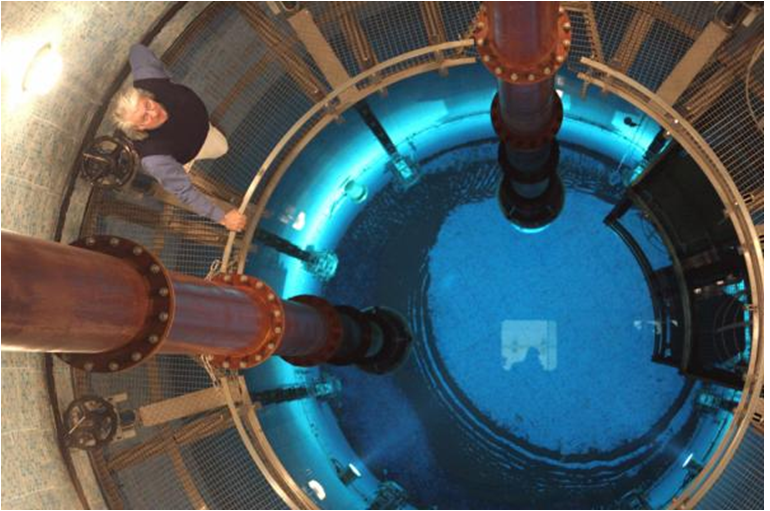
Groundwater abstraction structures include exploratory boreholes, production wells, and wellpoints for shallow capture. Horizontal systems such as drainage galleries and foggaras intercept aquifers by gravity. Piezometers measure hydraulic head for monitoring. Spring catchment systems—drains or masonry chambers—collect diffuse or emergent flows while ensuring protection from contamination and improving water yield.
- Enseignant: Boualem BOUSELSAL
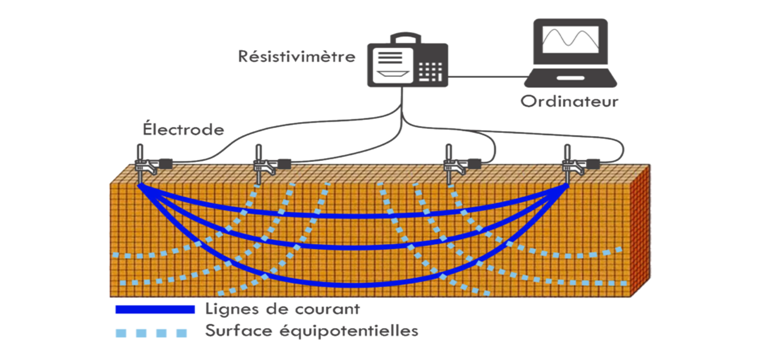
Groundwater prospecting combines geological, geophysical, hydrogeological, and remote-sensing methods to identify and evaluate aquifers. Geological mapping locates permeable formations, while resistivity, seismic, and GPR techniques characterize subsurface structures. Exploratory drilling confirms aquifer properties and pumping tests assess productivity. Remote sensing supports large-scale identification of recharge zones, lineaments, and potential drilling sites.
- Enseignant: Boualem BOUSELSAL
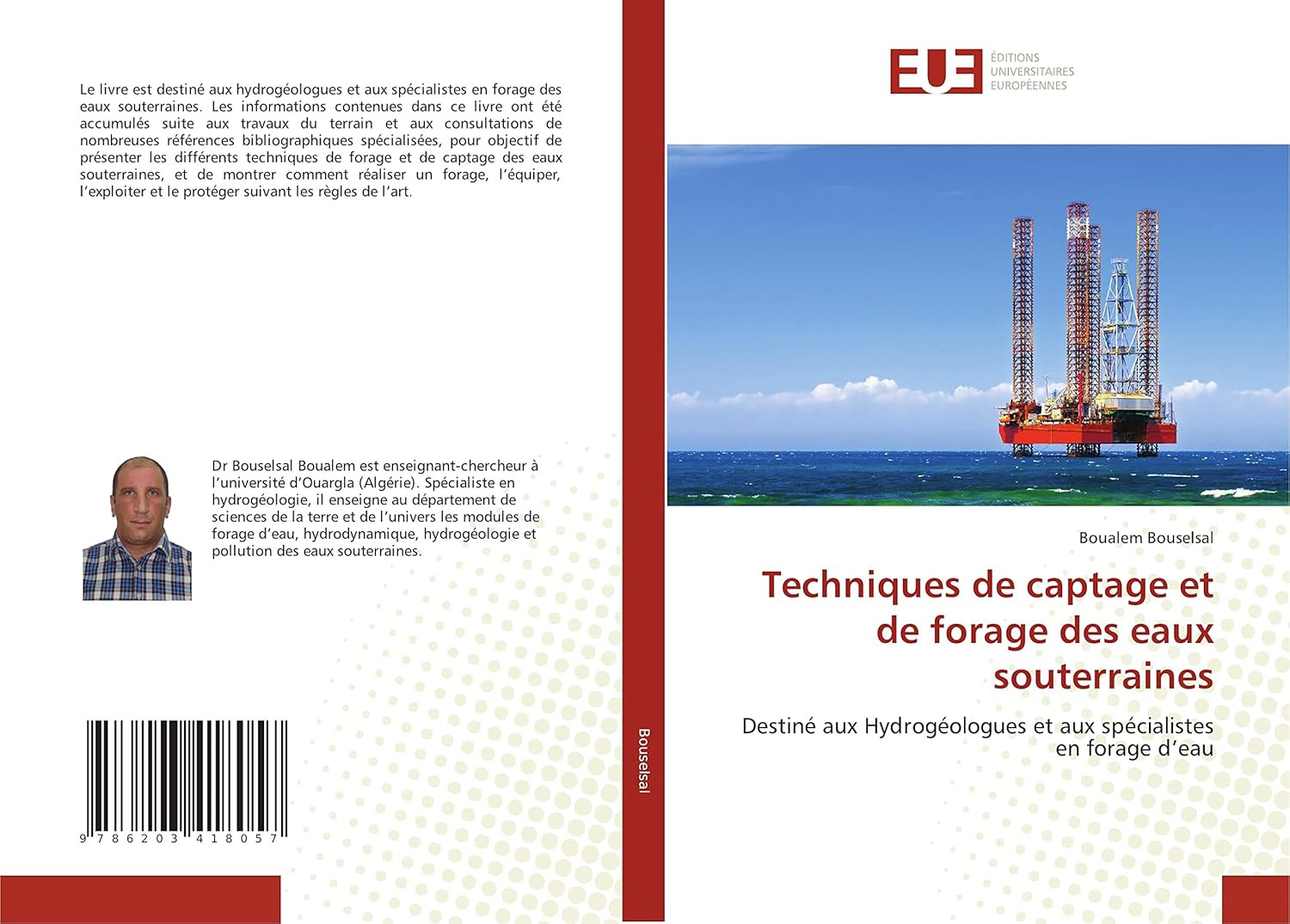
Le module présente les différentes techniques de forage et de captage des eaux souterraines. Il a pour objectif de montrer les étapes nécessaires à la réalisation d’un forage, depuis sa conception jusqu’à son équipement, son exploitation et sa protection, conformément aux normes et aux bonnes pratiques du domaine.
- Enseignant: Boualem BOUSELSAL