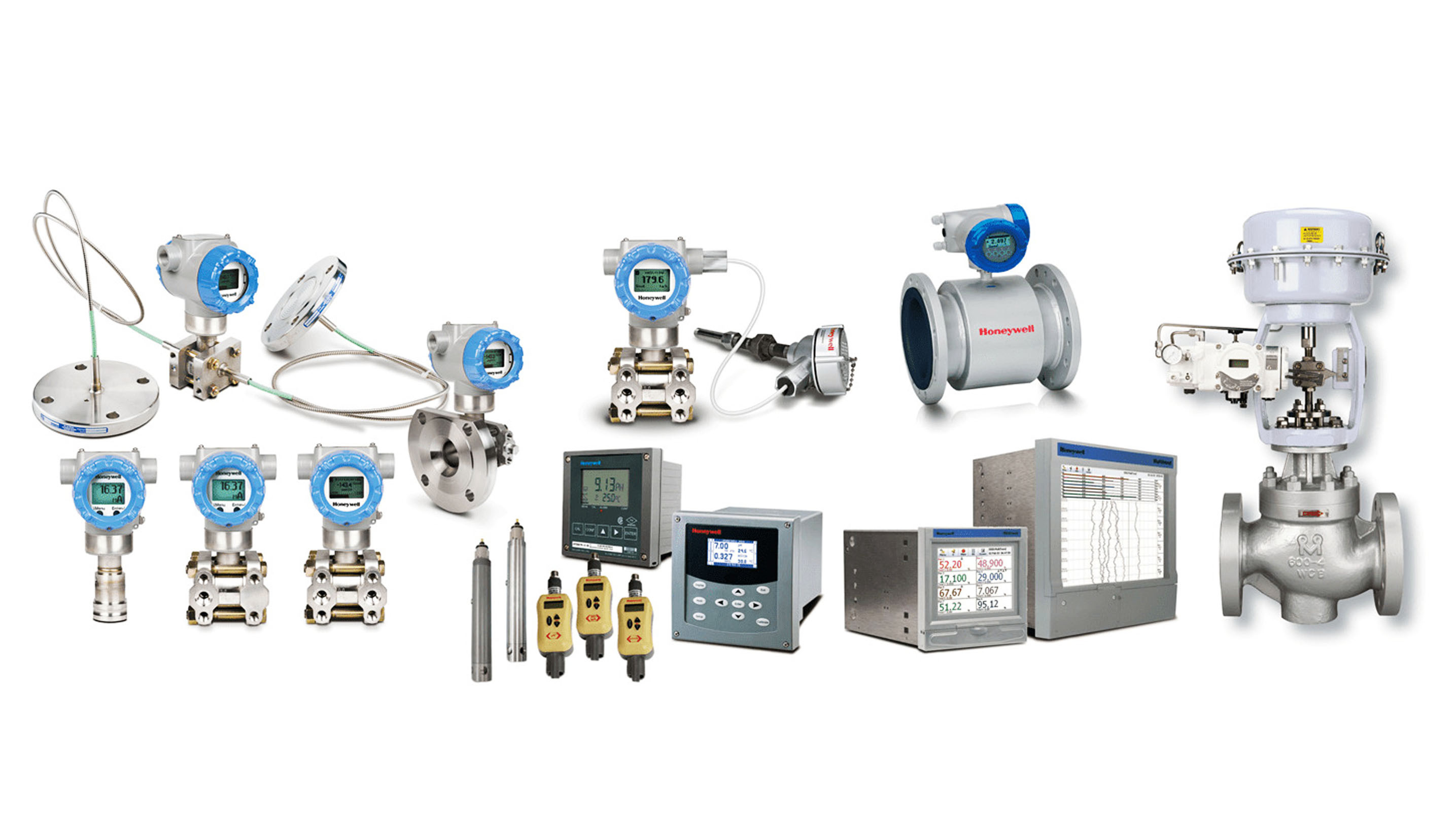
Oilfield Instrumentation introduces students to the fundamental principles of sensing and measurement, starting with basic concepts of sensors and meteorology. The course then progresses to core electronics topics, including operational amplifiers, conventional circuits, and signal conditioning techniques. Students become familiar with a range of industrial sensors such as temperature, pressure, and oilfield-specific sensors and learn how these devices are interfaced and applied in real oil and gas environments. By the end of the course, learners gain practical insight into instrumentation systems used for monitoring and control in oilfield operations.
Table of Contents
-
Metrology and Measurement
-
Electronic Basics and Signal Conditioning
2.1 Fundamental Electronics
2.2 Operational Amplifiers -
Temperature Sensors and Measurement Techniques
3.1 Resistance Sensor
3.2 Thermocouples Sensor -
P&ID Schemes and Industrial Drawing Interpretation