
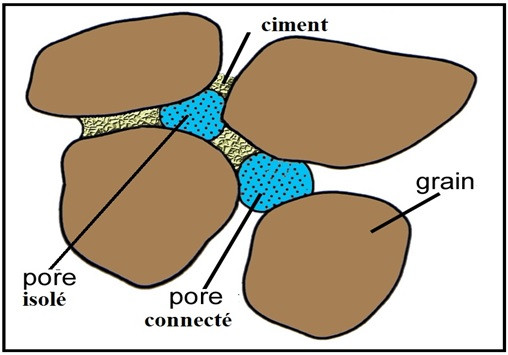
Le cours constitue une introduction à la science des eaux souterraines. Il aborde les différents états de l’eau, l’analyse granulométrique, ainsi que la porosité et la perméabilité des roches. Il présente également des notions fondamentales sur l’hydrodynamique des eaux souterraines.
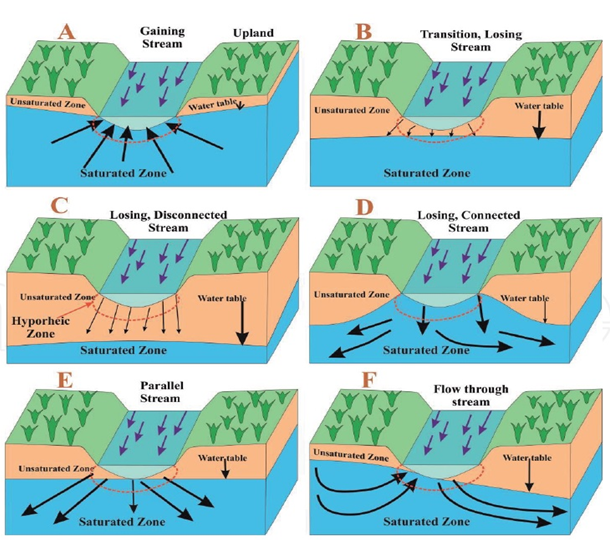
Piezometry studies groundwater levels through piezometric maps that show hydraulic head distribution and flow direction. Structural and piezometric maps help define aquifer geometry, storage, and hydrodynamic behavior. Measurements from piezometers allow construction of equipotential lines and hydraulic gradients. Interpreting these maps reveals recharge zones, flow paths, pumping impacts, seasonal fluctuations, and overall groundwater dynamics.
- المعلم: Boualem BOUSELSAL
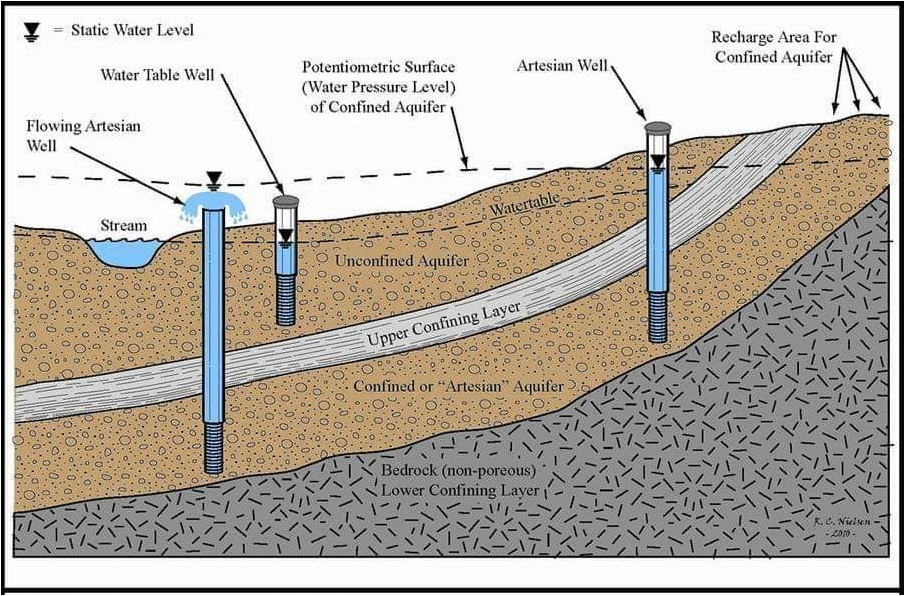
Aquifers are permeable geological formations storing and transmitting groundwater. Their properties depend on porosity, permeability, lithology, and structural features such as fractures. Aquifers may be unconfined, confined, semi-confined, or perched, each with distinct hydrodynamic behavior. Geological heterogeneity and anisotropy influence groundwater flow. Understanding aquifer structure, boundaries, and hydraulic characteristics is essential for groundwater assessment and management.
- المعلم: Boualem BOUSELSAL
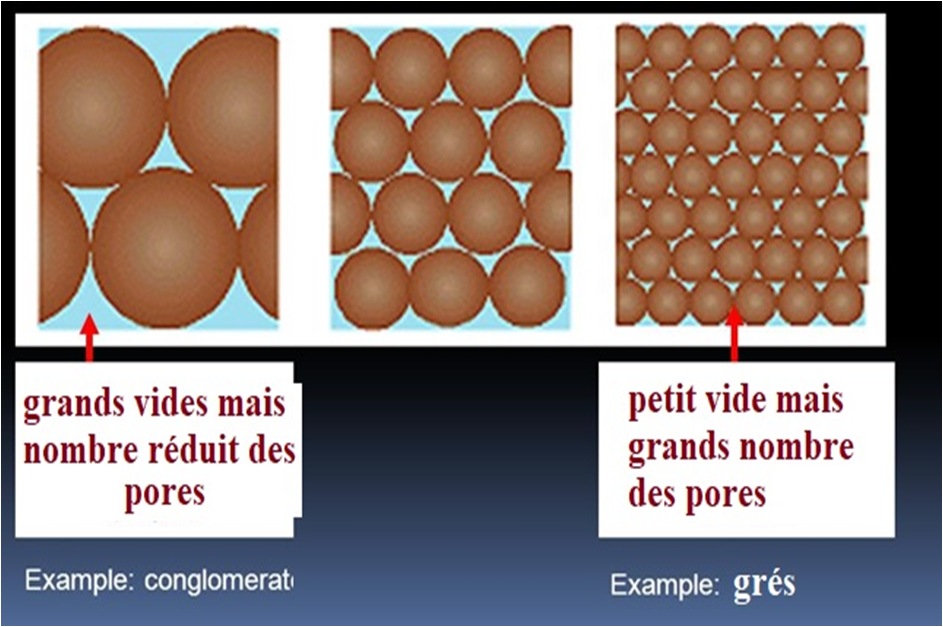
Groundwater science examines water in porous and fractured rocks, focusing on porosity, permeability, grain-size distribution, and Darcy’s law. Aquifers store and transmit groundwater depending on pore type and rock structure. Hydraulic conductivity, effective porosity, and permeability control groundwater flow. Understanding these physical and hydraulic properties is essential for drilling design, well construction, and sustainable groundwater management.
- المعلم: Boualem BOUSELSAL