
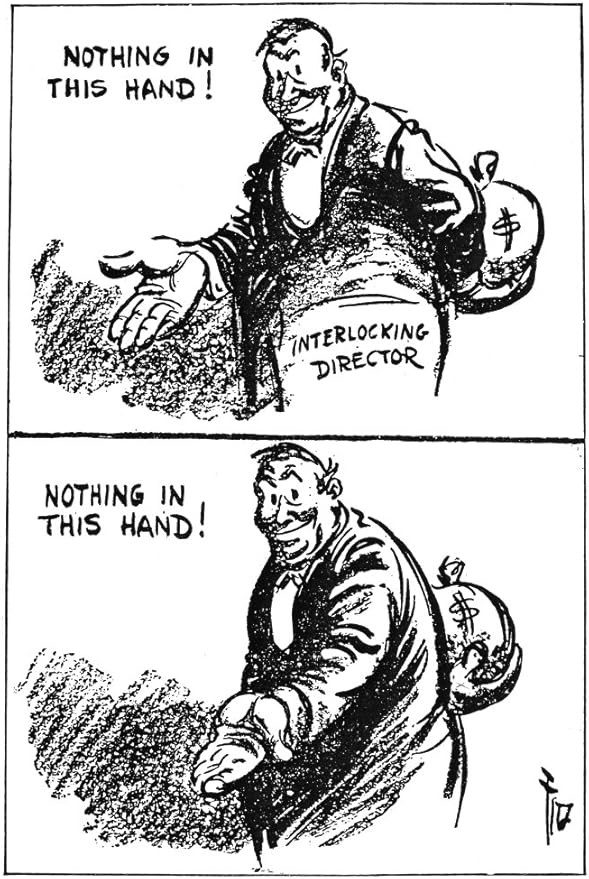
 يهدف مقرر قانون المنافسة وحماية المستهلك إلى تعريف الطالب بالإطار القانوني الذي ينظم حرية المنافسة في السوق ويكافح الممارسات المنافية لها، مثل الاحتكار، الاتفاقات المقيدة، واستغلال الوضع المهيمن. كما يتناول المقرر القواعد القانونية لحماية المستهلك من الغش التجاري، والإعلانات المضللة، والعيوب في المنتجات أو الخدمات. يركز المقرر على العلاقة بين حرية المبادرة الاقتصادية وحماية المصلحة العامة، من خلال تحليل دور الدولة والهيئات الرقابية في ضبط الأسواق، وضمان التوازن بين حقوق المنتجين والمستهلكين. كما يتضمن دراسة القوانين الوطنية (مثل قانون المنافسة وقانون حماية المستهلك)، والمبادئ الدولية ذات الصلة (خاصة تلك الصادرة عن منظمة التجارة العالمية والاتحاد الأوروبي). أهم المحاور: 1. مبادئ حرية المنافسة وأهدافها الاقتصادية. 2. الممارسات المقيدة للمنافسة (الاتفاقات، التواطؤ، إساءة استغلال الهيمنة). 3. أجهزة الضبط والمجالس الوطنية للمنافسة. 4. الإطار القانوني لحماية المستهلك. 5. حقوق المستهلك وواجبات الموردين. 6. آليات التبليغ، التسوية، والعقوبات القانونية. The Competition Law and Consumer Protection course aims to introduce students to the legal framework governing market competition and the prevention of anti-competitive practices such as monopolies, restrictive agreements, and abuse of dominant positions. It also covers consumer protection laws designed to prevent fraud, misleading advertising, and product or service defects. The course emphasizes the relationship between economic freedom and public interest protection, analyzing the role of the state and regulatory authorities in ensuring fair competition and market balance between producers and consumers. It also examines national legislation (such as the Competition Act and Consumer Protection Act) and international standards, including those from the WTO and the European Union. Main Topics: 1. Principles and objectives of free competition. 2. Anti-competitive practices (agreements, collusion, abuse of dominance). 3. Competition authorities and regulatory bodies. 4. Legal framework for consumer protection. 5. Consumer rights and supplier obligations. 6. Procedures, dispute resolution, and legal sanctions.
- Enseignant: Amor MOUSSAOUI
يهدف مقرر قانون المنافسة وحماية المستهلك إلى تعريف الطالب بالإطار القانوني الذي ينظم حرية المنافسة في السوق ويكافح الممارسات المنافية لها، مثل الاحتكار، الاتفاقات المقيدة، واستغلال الوضع المهيمن. كما يتناول المقرر القواعد القانونية لحماية المستهلك من الغش التجاري، والإعلانات المضللة، والعيوب في المنتجات أو الخدمات.
يركز المقرر على العلاقة بين حرية المبادرة الاقتصادية وحماية المصلحة العامة، من خلال تحليل دور الدولة والهيئات الرقابية في ضبط الأسواق، وضمان التوازن بين حقوق المنتجين والمستهلكين.
كما يتضمن دراسة القوانين الوطنية (مثل قانون المنافسة وقانون حماية المستهلك)، والمبادئ الدولية ذات الصلة (خاصة تلك الصادرة عن منظمة التجارة العالمية والاتحاد الأوروبي).
أهم المحاور:
1. مبادئ حرية المنافسة وأهدافها الاقتصادية.
2. الممارسات المقيدة للمنافسة (الاتفاقات، التواطؤ، إساءة استغلال الهيمنة).
3. أجهزة الضبط والمجالس الوطنية للمنافسة.
4. الإطار القانوني لحماية المستهلك.
5. حقوق المستهلك وواجبات الموردين.
6. آليات التبليغ، التسوية، والعقوبات القانونية.
The Competition Law and Consumer Protection course aims to introduce students to the legal framework governing market competition and the prevention of anti-competitive practices such as monopolies, restrictive agreements, and abuse of dominant positions. It also covers consumer protection laws designed to prevent fraud, misleading advertising, and product or service defects.
The course emphasizes the relationship between economic freedom and public interest protection, analyzing the role of the state and regulatory authorities in ensuring fair competition and market balance between producers and consumers.
It also examines national legislation (such as the Competition Act and Consumer Protection Act) and international standards, including those from the WTO and the European Union.
Main Topics:
1. Principles and objectives of free competition.
2. Anti-competitive practices (agreements, collusion, abuse of dominance).
3. Competition authorities and regulatory bodies.
4. Legal framework for consumer protection.
5. Consumer rights and supplier obligations.
6. Procedures, dispute resolution, and legal sanctions.